


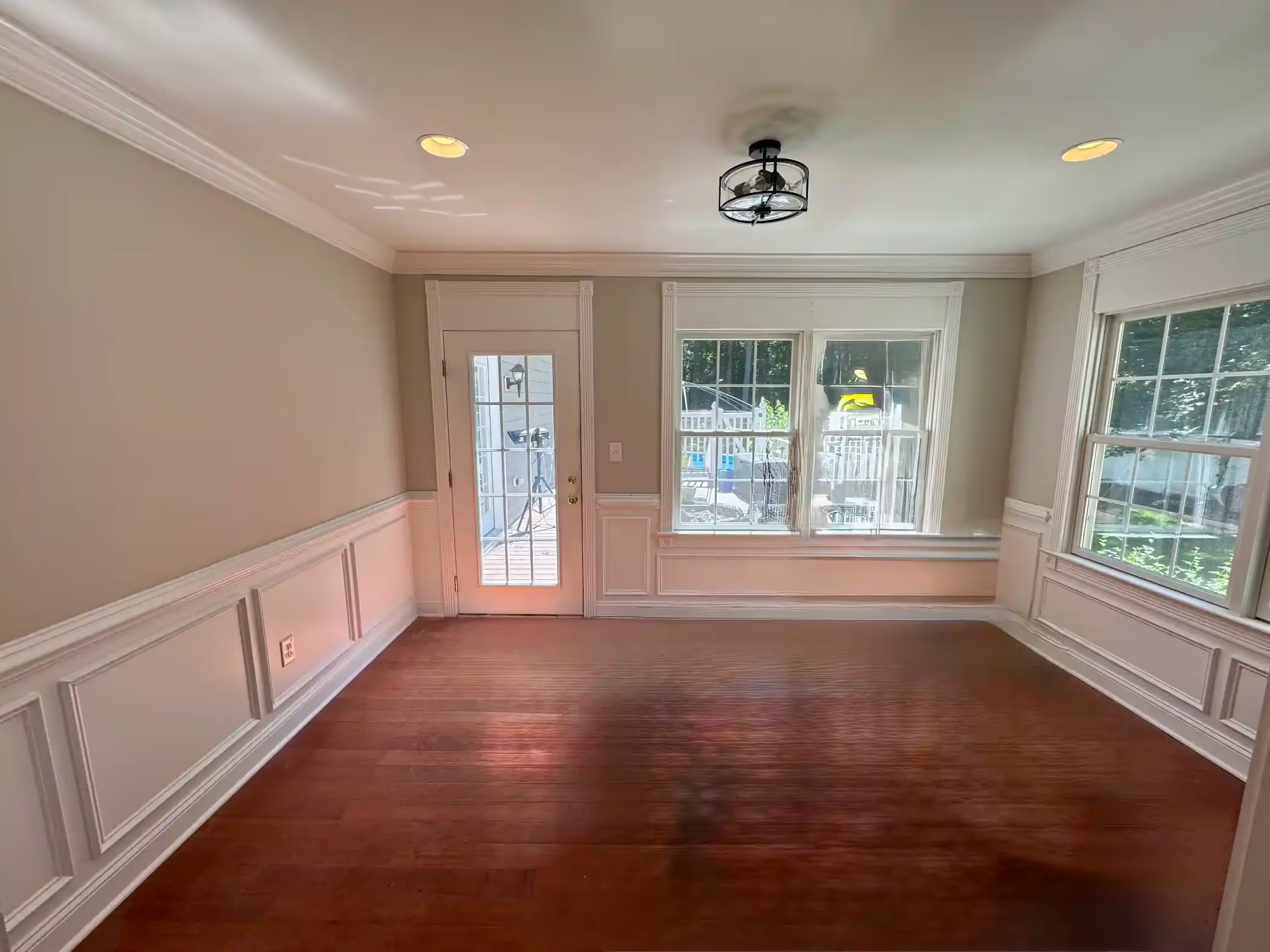

I'm Jack, and I run Legacy Painting out of Yorktown. Six years in, 800-something jobs done, and I still can't walk past a house with peeling trim without mentally repainting it.
What I actually enjoy is the part most painters skip — sitting down with you, figuring out what you're picturing versus what your walls can handle, and being straight with you about it.
Hampton Roads humidity has ruined more paint jobs than bad technique ever has, so a lot of what I write here comes straight from arguments I've won (and lost) with Virginia weather.
Planning a painting project for your Virginia home? Understanding interior painting costs helps you budget properly and make informed decisions about your home’s interior. Whether you’re refreshing one room or tackling your entire home, this comprehensive guide breaks down house painting costs, key factors that affect pricing, and strategies to save money without sacrificing quality.
Average Interior Painting Costs in Virginia
The cost to paint a house interior varies significantly based on home size, surface condition, and paint quality. Virginia homeowners typically pay between $2 and $6 per square foot for interior painting, which includes both labor costs and material costs.
For a 2,000-square-foot home, expect total costs ranging from $3,000 to $12,000, depending on the quality of paint and specific requirements. A 1,000-square-foot home generally costs between $2,000 and $6,000, while a 2,500-square-foot home may range from $5,000 to $15,000.
These numbers align with Forbes Home’s research, which shows national averages between $3.25 and $7.75 per square foot when hiring professional painters. Virginia’s cost of living and competitive painting market places most projects within this range.
Updated for 2026: I’ve checked these figures against this year’s market data, and the $2 to $6 per square foot range still holds across Virginia. The ranges above are current.
Breaking Down Cost Per Room
Painting one room costs less than you might expect. A standard bedroom typically runs $300 to $800, depending on room size and ceiling height. Living rooms, with larger square footage and often vaulted ceilings or high ceilings, range from $600 to $2,000.
High traffic areas like kitchens require more prep work due to grease and surface conditions, pushing costs toward $500 to $1,200. Bathrooms, despite their smaller size, need specialized paint for moisture resistance and careful work around fixtures, averaging $300 to $700.
How to Calculate Painting Costs for Your Project
Estimating interior painting costs requires breaking down your home’s physical layout, the condition of your surfaces, and your local labor market. Here’s how professional painters calculate pricing.
Measuring Your Space
The square footage of wall area determines total paint volume for interior painting estimates. To calculate wall square footage:
- Measure the length of each wall in feet
- Multiply by ceiling height (typically 8-10 feet for standard rooms)
- Add together all wall measurements
- Subtract approximately 20 square feet for each standard door and 15 square feet for each window
Total square footage and layout of a painting area are key factors in cost estimation. Don’t forget to measure ceilings if you plan to paint them, as they add significant square footage to your project.
Labor Costs Breakdown
Labor costs typically represent 70-85% of the total project cost for interior painting. In Virginia, professional painters charge between $25 and $100 per hour, or $2 to $6 per square foot, depending on location and project complexity.
Northern Virginia (closer to Washington D.C.) tends toward higher rates, while Hampton Roads areas, including Yorktown, Norfolk, and Virginia Beach, see more moderate pricing. Labor costs account for the painter’s expertise, equipment, insurance, and business overhead.
Since labor is 70–85% of the bill, anything that saves crew hours — cleared rooms, sound walls, one color instead of five — moves your price more than any coupon on paint ever will.
The complexity of a home’s interior, including features like vaulted ceilings and detailed trim work, can significantly increase both labor time and material requirements, affecting the overall budget.
Material Costs
Materials include paint, primer, brushes, rollers, tape, drop cloths, and other supplies. Quality paint costs anywhere from $20-30 per gallon for budget-friendly options to $50-70 per gallon for premium brands. Some ultra-premium paints exceed $70-100 per gallon.
A gallon of paint typically covers 350-400 square feet with one coat. Most interior painting projects require two coats for proper coverage, though darker colors or significant color changes may need additional coats.
Don’t forget primer costs ($15-40 per gallon). Primer creates better paint adhesion and improves coverage, especially when painting over dark colors or bare drywall.
Key Factors That Affect Your Final Cost
Several variables significantly impact your final price beyond basic square footage calculations.
Ceiling Height
Tall walls over 8 feet require more time, ladders, and scaffolding for painting. Ceiling heights above 10 feet typically increase painting costs by 20% to 40% due to additional safety measures and equipment needed. High ceilings demand special equipment and more careful work to maintain quality.
Surface Condition and Prep Work
Prep work needs, such as repairs for holes or heavy stains, increase both material and labor costs in painting. The condition of your walls directly impacts pricing. Smooth, well-maintained surfaces need minimal prep, while problematic walls require extensive work.
Minor wall repairs, like filling small nail holes, add minimal cost. However, fixing drywall cracks, holes, and dents incurs additional billable hours in painting estimates. Extensive drywall patching, sanding, or wallpaper removal can significantly increase labor charges for painting projects.
Surface repair work includes:
- Patching holes and cracks
- Sanding rough areas
- Removing old wallpaper
- Addressing water damage
- Fixing popcorn or textured ceilings
Scraping popcorn ceilings or smoothing heavy texture raises painting costs due to texture removal complexity. This messy, time-intensive process often doubles the cost compared to painting standard smooth ceilings.
Paint Quality and Type
The cost of paint can vary significantly, making paint selection a crucial cost factor. Budget paints ($20-30/gallon) save money upfront but typically require more coats and don’t last as long. Consumer Reports testing shows that premium paints can cover most colors in one coat, while economy grades often need three or four coats.
Premium paints provide better coverage and durability, costing up to $70-100 per gallon. Using high-quality paint may seem more expensive upfront, but it can save you money in the long run due to better coverage and durability, requiring fewer coats and less frequent repainting.
Higher-quality formulas offer superior benefits:
- Better coverage (often one-coat application)
- Enhanced durability and washability
- Resistance to stains and scuffs
- Longer-lasting color retention
- Better adhesion to surfaces
Additional Surfaces and Details
Costs increase if additional surfaces like ceilings, doors, or custom features are included in a painting project. Painting your entire home includes walls, but adding ceilings, trim, and doors increases the final cost.
Intricate moldings, such as baseboards and crowns, require tedious brushwork and taping. Window frames and other surfaces demand careful, detailed work that takes additional time. Multiple colors throughout different rooms add complexity and increase labor hours.
Room Configuration
Moving furniture takes time and adds to labor costs. Professional painters typically include basic furniture moving in their quotes, but extensive furniture or delicate items may incur extra charges. Some homeowners save money by clearing rooms themselves before painters arrive.
Room size affects efficiency. Painters work faster in large, open spaces compared to smaller rooms with many corners and obstacles. The whole house projects often cost less per square foot than one-room jobs because of efficiency gains.
DIY vs. Professional Painting: Cost and Quality Comparison
Deciding whether to paint yourself or hire a professional painter impacts both your wallet and your results.
DIY Painting Costs
DIY painting can save homeowners a significant amount on labor costs, which can account for 75% to 95% of the total cost of a professional paint job. For a typical room, you might spend:
- Paint: $50-150 (depending on quality paint choice)
- Primer: $20-40
- Brushes, rollers, and supplies: $30-80
- Drop cloths, tape, and other materials: $20-50
- Special equipment if needed: $50-200
Total DIY cost for one room: $170-520
This represents substantial savings compared to professional costs of $300-800 for the same room. However, consider the hidden costs: your time, potential mistakes, and the learning curve involved.
Professional Painting Benefits
While DIY projects may seem cost-effective, they often take longer to complete compared to hiring professionals, who can finish a job in a fraction of the time due to their experience and efficiency. An experienced painter completes in hours what might take a DIYer an entire weekend.
Professionals typically bring higher quality results due to their expertise, which can lead to a more durable and aesthetically pleasing finish compared to DIY efforts that may result in uneven coverage or mistakes. Professional painters deliver:
- Expert surface preparation
- Smooth, even coverage without brush marks
- Clean, precise lines at edges and trim
- Proper technique for challenging areas
- Warranty coverage on their work
- Faster completion time
- Professional-grade equipment and materials
At Legacy Painting, our interior painting services include a 3-5 year warranty, ensuring your investment is protected against issues that might arise from improper application.
When DIY Makes More Sense
Consider DIY for:
- Single, small rooms
- Simple spaces without complex trim work
- Situations where you have adequate time
- Projects where you possess some painting experience
- Rental properties or temporary spaces
- Situations where perfect results aren’t critical
When to Hire a Professional Job
Professional painters make more sense for:
- Multiple rooms or your entire home
- Homes with high ceilings or vaulted ceilings
- Surfaces requiring significant repair work
- Projects with tight deadlines
- Situations where quality matters significantly
- Complex paint jobs with intricate trim work
- When you lack time or physical ability for the work
Money-Saving Strategies Without Sacrificing Quality
You can reduce your painting project costs without compromising results by following these proven strategies.
Get Multiple Quotes
Getting multiple estimates from different painters can help you find the best deal and ensure you are not overpaying for your interior painting project. Request at least three detailed quotes that break down labor costs and material costs separately.
Compare quotes carefully. The lowest bid isn’t always the best value. Consider the painter’s experience, reviews, warranty coverage, and what’s included in their quote. Some contractors offer lower prices but exclude important preparation requirements or use lower-quality materials.
Time Your Project Strategically
Timing your painting project during the off-peak season can lead to lower labor costs, as painters may offer discounts to fill their schedules during slower months. In Virginia, late fall and winter (November through February) typically see less demand for interior painting.
Painters often provide discounts during these slower periods to maintain steady work. The weather advantage works both ways: you’re inside anyway during cold months, and lower humidity conditions in winter can actually improve paint drying and adhesion.
November through February is Virginia’s quiet season for painters — the same crew, at a friendlier price, with winter’s drier indoor air helping the paint cure.
Handle Prep Work Yourself
You can save a significant amount on your interior painting project by doing some of the prep work yourself, such as moving furniture, patching walls, and cleaning surfaces. Tasks you can tackle:
- Moving furniture to the center of rooms
- Removing wall decorations and outlet covers
- Cleaning walls with a damp cloth
- Filling minor nail holes with spackle
- Removing old painter’s tape or wall anchors
Communicate with your painter about exactly what prep work you’ll handle to ensure proper expectations and avoid duplicating efforts.
Invest in Quality Paint
This seems counterintuitive, but choosing premium paint actually saves money long-term. Higher-quality paint typically covers in fewer coats, meaning:
- Less paint needed overall
- Reduced labor time
- Better durability (repaint less frequently)
- Superior resistance to wear in high-traffic areas
The 2026 lab ratings bear this out: the top-tied premium formula aced the hiding test, “covering dark wall colors completely in one coat” — while the budget end of the shelf routinely needs two or three passes to do the same job.
— Source: Quartz, “Best interior paints of 2026”
One coat of premium paint versus three coats of budget paint makes the math simple. The premium option costs less in total materials and significantly less in labor.
Paint Smart, Not Everything
Focus your budget where it matters most. Paint high-visibility areas and high-traffic areas with premium products. For spaces like closets, laundry rooms, or storage areas, consider whether they need repainting at all.
You might paint only walls initially and add ceilings, trim, or doors in a future project when the budget allows. Prioritizing based on impact helps you transform your home’s interior within your current budget.
Provide Your Own Paint
Some painters charge markup on materials. You can potentially save money by purchasing paint yourself from local suppliers. However, discuss this with your painter first. Some professionals prefer using specific brands or formulas they trust, and their bulk purchasing power might actually get better pricing than retail.
Understanding Your Painting Estimate
Professional painting estimates should clearly outline what you’re paying for. Here’s what to expect and verify.
What Should Be Included
A complete estimate details:
- Preparation work (cleaning, patching, sanding, priming)
- Number of paint coats
- Specific paint brand and finish
- Labor costs broken down by area
- Material costs itemized
- Timeline for completion
- Warranty information
- Payment schedule
Red Flags to Watch For
Be cautious of:
- Vague estimates without specific details
- Unusually low bids (may indicate shortcuts or inexperience)
- Requests for large upfront payments
- No mention of prep work or surface repair
- Missing warranty or insurance information
- Unwillingness to provide references
Questions to Ask
Before hiring, confirm:
- Are all surfaces included (walls, ceilings, trim work)?
- How many coats of primer and paint?
- What paint quality and brand will be used?
- Who handles moving furniture?
- How will you protect floors and belongings?
- What’s your cleanup process?
- Do you guarantee touch-ups if needed?
Regional Considerations for Virginia Homeowners
Virginia’s diverse regions impact painting costs differently.
Northern Virginia (Arlington, Alexandria, Fairfax)
Proximity to Washington, D.C. drives higher labor costs. Expect the upper range of pricing ($5-7+ per square foot). However, intense competition among contractors provides opportunities to find good value through multiple quotes.
Richmond Area
Virginia’s capital region sees moderate pricing, typically $3-5 per square foot. The established painting contractor community offers good options across price points and quality levels.
Hampton Roads (Norfolk, Virginia Beach, Yorktown, Chesapeake)
Our home region offers competitive pricing, generally $2.50-5 per square foot for quality work. The concentration of military families and steady turnover creates consistent demand for painting services, keeping prices reasonable while maintaining high-quality standards.
We paint all over this region, from our home base in Yorktown out to Williamsburg and down to Virginia Beach. One thing the cost tables never mention: our humidity is hard on paint. Hampton Roads moisture has ruined more paint jobs than bad technique ever has, which is exactly why proper prep and the right coating matter so much down here.
Rural Virginia
Lower cost of living typically means lower labor costs, but fewer professional painters might limit options. Expect $2-4 per square foot, but potentially longer wait times for qualified contractors.
Planning Your Painting Project Timeline
Understanding project duration helps you plan around your schedule and minimize disruption.
Typical Timeline
One room: 1-2 days (including drying time)
Whole house interior: 4-10 days, depending on size
Large home (3,000+ sq ft): 1-2 weeks
These timelines account for proper prep work, multiple coats, and adequate drying time between applications. Rushing through drying time compromises quality and durability.
Factors That Extend Timeline
- Extensive surface repair needs
- Multiple color changes require extra coats
- High ceilings or complex architecture
- Moving large amounts of furniture
- Poor weather (affects ventilation and drying)
Build a buffer into your plans — the timeline that respects drying time is the one that delivers a finish worth the money.
Making Your Decision
The cost to paint your home’s interior represents a significant investment in your property’s appearance, comfort, and value. Understanding the key factors affecting pricing helps you budget appropriately and make informed choices about your painting project.
Whether you choose DIY to save money or hire professional painters for superior results and efficiency, focus on quality materials and proper preparation. These elements determine how long your paint job lasts and how good it looks throughout its lifetime.
Whatever route you choose, the two variables that decide how the job ages are the same: the quality of the paint and the quality of the prep underneath it.
“The estimate is where trust starts. We break out every line — prep, coats, paint line, labor by area, warranty — because a Virginia homeowner comparing three quotes deserves to see exactly where every dollar goes. Honest numbers up front are what make the finished walls feel like a bargain.”
— The team at Legacy Painting, Yorktown, VA · 757-291-4550
Virginia homeowners have excellent options for interior painting services across all regions. If you’re in the Hampton Roads area and want transparent pricing, exceptional craftsmanship, and a warranty-backed professional job, contact Legacy Painting for a free estimate. Our experienced team serves Yorktown, Norfolk, Virginia Beach, and surrounding communities with honest pricing and superior results.
How much does it cost to paint a house interior in Virginia?
Most Virginia homeowners pay $2 to $6 per square foot for interior painting, covering both labor and materials. For whole-home projects, that’s roughly $2,000 to $6,000 for a 1,000 sq ft home and $3,000 to $12,000 for a 2,000 sq ft home. Your final number depends on wall condition, paint grade, ceiling height, and whether you include ceilings, trim, and doors. In Hampton Roads, expect the more moderate end, generally $2.50 to $5 per square foot for quality work.
Why is labor such a big part of the cost?
Labor typically accounts for 70 to 85 percent of an interior painting bill. It covers a skilled crew’s time on prep, priming, cutting in, and multiple coats, plus equipment, insurance, and the overhead of running a licensed business. Because it’s the largest slice, anything that saves crew hours (clearing rooms yourself, sound walls, fewer colors) lowers your price more than saving on paint.
Is it cheaper to paint my house myself?
DIY can save on labor, since painting one room yourself might cost $170 to $520 in supplies versus $300 to $800 to hire a pro. But that leaves out your time, the learning curve, and the cost of fixing mistakes. DIY makes sense for one small, simple room when you have time and some experience. For multiple rooms, high ceilings, repair work, or anywhere the result really matters, a professional finish and warranty are usually worth it.
When is the cheapest time of year to paint my interior in Virginia?
November through February is the off-season for painters in Virginia, so you’ll often find better rates as crews fill their winter schedules. Interior painting is weather-independent, so there’s no downside, and winter’s drier indoor air actually helps paint cure properly.
Does premium paint really save money?
Usually, yes. Premium paint frequently covers in one coat where budget paint needs three or four, which cuts both material and labor. It also lasts longer and resists wear better, so you repaint less often. One coat of quality paint usually beats three coats of cheap paint on total cost.
How long does it take to paint a house interior?
A single room takes 1 to 2 days including drying time, a whole-house interior runs 4 to 10 days depending on size, and a large home over 3,000 sq ft can take 1 to 2 weeks. These windows assume proper prep and full drying time between coats. Heavy repairs, multiple color changes, tall ceilings, and lots of furniture to move can all extend the schedule.
What should a good painting estimate include?
A solid estimate spells out prep work, number of coats, the specific paint brand and finish, labor broken out by area, itemized materials, a timeline, warranty details, and a payment schedule. If a quote is vague, demands a large upfront payment, skips any mention of prep, or has no warranty or insurance information, treat those as red flags and ask more questions before signing.
What areas do you serve around Hampton Roads?
We paint across Hampton Roads from our base in Yorktown, including Williamsburg, Virginia Beach, Norfolk, Newport News, Hampton, and the surrounding communities. If you want to see recent work, our before-and-after photos are on our Facebook page, and you can always call for a free, detailed estimate.